
Near & Next Coaching for the real work of transition
Plans can be in place and the next step can be clear — and still, the human work of transition may be just beginning. Near & Next Coaching supports young adults,
emerging leaders, professionals, people stepping into greater
responsibility, and adults navigating meaningful transitions of their own.
Near & Next Coaching includes three pathways: Wayfinding, Next Stage, and Role Shift. Together, these pathways help clients name what is changing, practice what comes next, and move with more agency, steadiness, and support.
Whether the next chapter involves college, work, leadership, independent life, family change, caregiving, a new role, or a shift in how someone participates in the world, coaching creates space to slow the moment down, name what is changing, and practice what comes next.


When the Checklist Is Not the Transition
We can have the offer, the outfit, the orientation date, the directions, even the first-day instructions — and still be learning how to live inside what is changing.
That is where many transitions become real.
The challenge is not only getting there. It is learning how to participate once life asks for more responsibility, communication, follow-through, and self-trust.
Near & Next Coaching supports the part of transition that planning alone cannot complete: the human work of orienting, practicing, adjusting, asking for help, and making decisions.
The goal is steadier participation with more agency, responsibility, discernment, and appropriate support.
THE THREE NEAR & NEXT COACHING PATHWAYS
Wayfinding
Coaching for direction, discernment, decisions, and the questions underneath the obvious question
Coaching for direction, discernment, and decision-making

Wayfinding is for people who are trying to understand what is shifting and what the next responsible movement may be.
This pathway is useful when the transition is not fully clear yet, when several pressures are competing, when old patterns are no longer working, or when the client needs space to sort what is happening before deciding what comes next.
Wayfinding may support students, young adults, early-career professionals, adults, leaders, caregivers, or people in transition navigating direction, identity, relationships, responsibility, communication, self-leadership, or follow-through.
Coaching may include:
Naming what is happening and what needs attention
Sorting competing pressures and expectations
Identifying the real question underneath the obvious question
Strengthening discernment and decision-making
Practicing communication, boundaries, and self-advocacy
Building realistic next steps
This pathway may fit if:
You feel unclear or pulled in different directions
You are navigating a transition that has not fully taken shape yet
You need help making sense of patterns or decisions
You want to orient before taking action
NEXT STAGE
Coaching for preparing for, entering, or adjusting to a defined new chapter
Coaching for entering or adjusting to a new chapter

Next Stage is for people who know that a meaningful next chapter is approaching or already underway.
This may include college, work, leadership, independent life, early career, a first job, a new role, relocation, or another transition that asks for new rhythms, expectations, responsibility, communication, and follow-through.
Next Stage focuses on readiness in practice: the skills, structures, conversations, habits, and support systems that help a person meet the reality of the new stage.
Coaching may include:
Preparing for expectations of a new environment
Building routines and follow-through structures
Strengthening communication
Identifying support systems
Planning for predictable challenges
Reorienting after disruption or overwhelm
This pathway may fit if:
You know what the next chapter is
You want support preparing for it
You are in the season and it is more demanding than expected
You want help building habits and structure
role shift
Coaching for adults whose roles are changing
Coaching for adults navigating changing roles

Role Shift is for adults learning how to inhabit a changed role with more steadiness, discernment, and appropriate connection.
Sometimes the shift is connected to someone else. Sometimes it is happening within the adult’s own life.
Role Shift helps clients notice what the new season is asking of them, what needs to be released or practiced, and how to stay connected without over-functioning or withdrawing.
Coaching may include:
Clarifying what role is changing
Naming what belongs to you and what belongs to others
Practicing communication and boundaries
Recalibrating responsibility and support
Finding steadier ways to lead or participate
This pathway may fit if:
Your role is changing and you’re unsure how to navigate it
You are supporting someone else in transition
You are stepping into a new level of responsibility
You want to stay connected without over-carrying

Early Signals Are Information
Most transitions do not reveal their strain all at once. They send signals first.
Early signals are not automatically a crisis. They are information. They can show us where help is needed, where expectations have shifted, where confidence is still forming, or where the person has not yet developed the language, rhythm, or structure to meet the moment.
examples of early signals

A student who skips office hours consistently

Several missed emails.

A new employee who waits too long to ask a question

A room that gets messier than usual

A parent who checks the location app too often

A young adult who stops answering questions directly

A family member who keeps offering solutions when what is needed first is listening.
Coaching helps slow the moment down enough to ask better questions:
What has changed in the conditions around this person or transition?
What is the early signal asking us to notice?
What skill, rhythm, or conversation may need more practice?
What kind of care, structure, or expertise is needed now?
Who should be part of the next conversation?
What next action can hold under real conditions?
Some transitions also reveal needs that coaching should not hold alone:
mental or physical health care, disability-related or executive-function support, academic accommodations, financial guidance, or clinical intervention.

WHAT COACHING IS NOT
Near & Next Coaching is not therapy, tutoring, academic advising, financial planning, or clinical care.
When other support is needed, coaching can work alongside it.
WHAT COACHING IS NOT
Near & Next Coaching is not therapy, tutoring, academic advising, financial planning, or clinical care.
When the need is bigger than coaching alone, we can make room to name that honestly and consider what other support may belong in the picture.
Coaching can work alongside other forms of care as part of a larger field of support.
WHAT WE MAY WORK ON TOGETHER
Orientation
Naming the transition clearly
Sorting competing pressures and expectations
Identifying patterns, early signals, and decision points
Clarifying what is changing and what now needs attention
Practice
Strengthening decision-making
Practicing communication, boundaries, and self-advocacy
Preparing for hard conversations
Building rhythms for follow-through and practical action
Support
Identifying useful resources and support people
Developing customized tools, scripts, practices, or support maps
Clarifying what kind of care, structure, or expertise is needed
Shifting from over-carrying or over-managing toward healthier participation
Movement
Naming next steps that can hold under real conditions
Adjusting after challenges, disruption, or disappointment
Building confidence through practice, reflection, and action
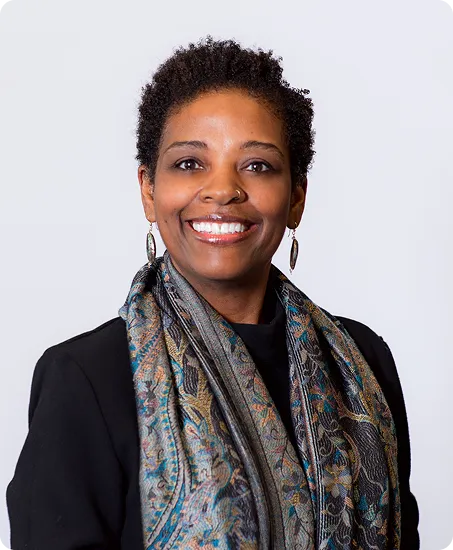
A Note from
Antoinette
I created Near & Next because I have spent decades watching people prepare for major transitions on paper while still needing support for the human work of actually living through them.
Again and again, I have seen the same pattern: the milestone may be clear, the plan may be in place, and the next step may be visible — but the deeper work is often quieter. It includes learning how to ask for help, make decisions, recover from difficulty, communicate clearly, build trust, adapt, and stay connected as responsibility changes hands.
My work is informed by decades of experience in educational leadership, governance, development, operations, coaching, facilitation, and organizational life. I bring the perspective of an educator, the discipline of a coach, the structural eye of a strategist, and the lived understanding of someone who has led inside real institutions with real constraints.
Near & Next is designed to meet real life with steadiness, care, and practical movement.
How We Begin
The first step is a Discovery Session.
This conversation helps clarify:

What transition, question, or role shift is unfolding
Who the coaching is for
Which pathway may fit best: Wayfinding, Next Stage, or Role Shift
What structure, cadence, or support may be useful
Whether coaching is the right fit for the needs present
From there, we determine the best next step.
Begin Near & Next
Near & Next is for people learning how to move through transition with more agency, steadiness, responsibility, and support.
It is for young adults preparing to carry more of their own lives. It is for people moving from college into work,
stepping into leadership, or entering roles that ask for more responsibility.
It is for adults learning how to guide, accompany, lead, care, reorient, or inhabit a changed role.
It is for the moments when the checklist is not enough and the real work of transition has begun.
If you or someone you care about is preparing for a meaningful next stage, noticing early signals, or adjusting to a changing role, I welcome a conversation.

Philadelphia-based | Virtual and hybrid engagements available
© Sojourner Strategy Group. All rights reserved.